Incorporated in 1882, Elmhurst is a town rich in tradition. Featuring a captivating blend of history and growth, this lively gem in the heart of DuPage has a lot to offer for those interested in its origins.
Elmhurst’s Early Roots
It’s the 1840’s, and Elmhurst’s earliest residents arrive in carriages and horse-drawn wagons. German families lay the groundwork in the north, planting homes in the midst of wilderness. To the south, near modern-day Butterfield Road, English settlers cultivate their homes, weaving their influence into the community. Together, they create a bilingual village that earns the name of Cottage Hill– named after Hill Cottage Tavern, a residence and tavern created for people traveling on St. Charles Road.
How did Elmhurst get its name?
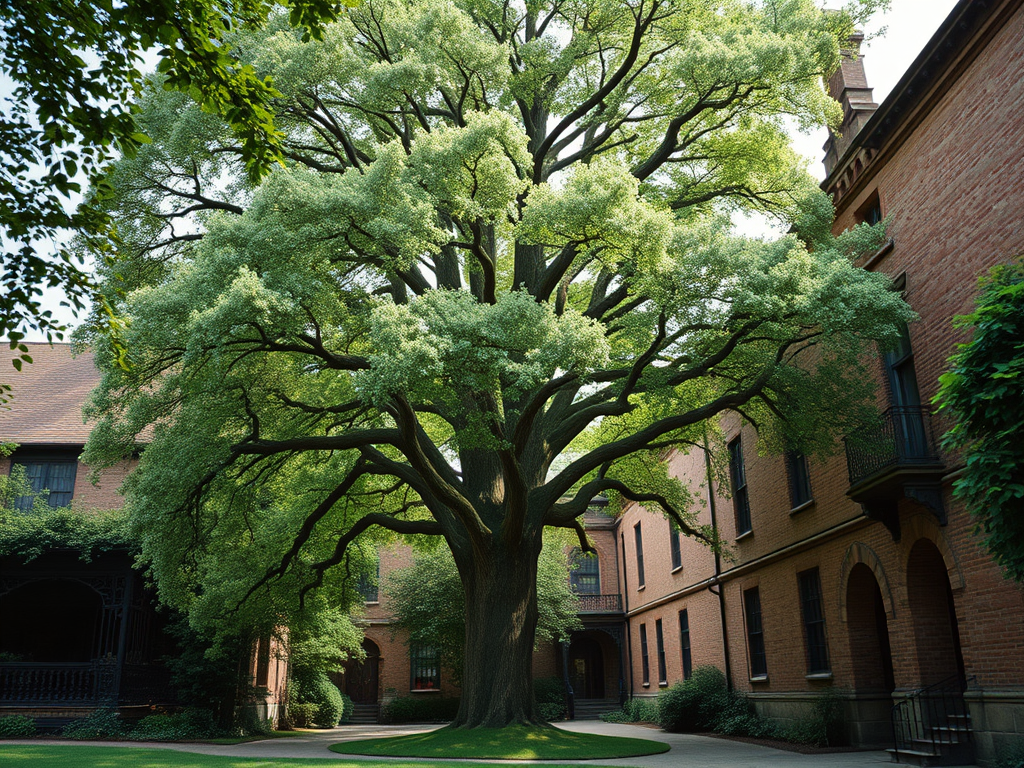
The origin of Elmhurst’s name can be traced back all the way back to 1869, when Jedediah H. Lathrop decided to make his mark on Elmhurst’s history. Joined by a few estate owners, Lathrop planted a procession of elm trees along the picturesque Cottage Hill. In their verdant, lush state, these elm trees inspired the name Elmhurst.
Other fun facts about Elmhurst:
- Elmhurst became DuPage’s largest city in the 1920’s.
- Gerry Bates is considered Elmhurst’s founder.
- Elmhurst used to be a bilingual village, with both German and English spoken at school.
- Elmhurst used to be called Cottage Hill.
- Elmhurst’s population grew from 199 in 1860 to 45,786 as of 2020.
 Elmhurst Daily